Sand Textures: A Strategic Tool for Elevating Digital Creativity
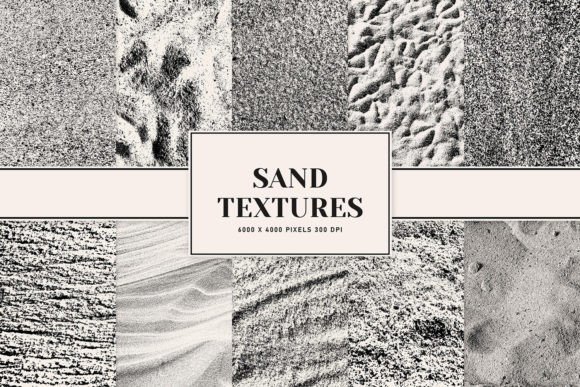
In the realm of digital design, texture plays a pivotal role in shaping visual appeal and conveying depth. Sand Textures is a high-resolution, sophisticated texture that offers designers and creators an exceptional tool to enhance their projects with a natural, tactile feel. Whether you're working on branding materials, social media content, or creative illustrations, these textures can add a layer of authenticity and richness that elevates your work from ordinary to extraordinary.
The Value of Sand Textures in Modern Design
Sand Textures are more than just aesthetic enhancements—they are strategic assets that can influence how audiences perceive and interact with your content. The grainy, organic appearance of sand evokes feelings of warmth, simplicity, and connection to nature, making it ideal for a wide range of applications. From wedding invitations to product packaging, the versatility of this texture makes it a valuable addition to any designer's toolkit.
With dimensions of 6000 x 4000 pixels and a resolution of 300 DPI, these textures are optimized for both print and digital use. Available in JPG and PNG formats, they offer flexibility in terms of transparency and color depth. Their compatibility with Adobe Photoshop CC and higher ensures seamless integration into professional workflows, allowing for precise editing and customization.
Strategic Applications of Sand Textures
When considering the use of Sand Textures, it's important to align them with specific project goals. Here are several strategic applications where these textures can make a meaningful impact:
- Branding and Marketing Materials: Incorporating Sand Textures into logos, business cards, or promotional banners can create a unique brand identity that stands out in a crowded market.
- Social Media Content: Use these textures as backgrounds for Instagram posts, Facebook covers, or LinkedIn profiles to add a subtle yet impactful visual element.
- Digital Scrapbooking and Photography: Enhance photo albums or digital scrapbooks by using Sand Textures as overlays to give a vintage or rustic feel.
- Event Invitations and Party Designs: For weddings, birthdays, or corporate events, these textures can be used to create visually appealing invitations and party décor elements.
- Web Design and UI/UX Elements: Apply Sand Textures to website headers, buttons, or background elements to add depth and dimension without overwhelming the user interface.
Each of these applications requires careful consideration of context and audience. For instance, while a wedding invitation may benefit from a soft, elegant sand texture, a corporate presentation might require a more refined or minimalist approach.
Planning and Implementation Strategies
Before incorporating Sand Textures into your projects, consider the following planning strategies:
- Define the Purpose: Determine what you want to achieve with the texture. Is it to evoke a particular emotion, add visual interest, or reinforce a brand message?
- Assess the Context: Consider the platform or medium where the texture will be used. Will it appear on a mobile screen, a large banner, or in print? This will influence the appropriate scale and detail level.
- Test and Refine: Experiment with different layers, opacity levels, and color combinations to find the perfect balance between texture and clarity.
- Ensure Compatibility: Verify that the chosen format (JPG or PNG) works well with your design software and intended output method.
By following these steps, you can ensure that Sand Textures are used effectively and purposefully rather than as a random embellishment.
Risks and Considerations
While Sand Textures offer numerous benefits, there are potential risks if they are not used thoughtfully. Overuse can lead to visual clutter, and inappropriate placement may distract from the main message or design intent. It’s also essential to consider accessibility—textures should not interfere with readability or usability, especially for users with visual impairments.
Additionally, relying solely on textures without a cohesive design strategy can result in inconsistency across projects. To avoid this, it's advisable to establish a clear design system that includes guidelines for texture usage, ensuring consistency and professionalism in all outputs.
Conclusion: Elevate Your Projects with Intentional Use
Sand Textures represent a powerful yet often underutilized resource in digital design. When used strategically, they can enhance visual storytelling, support brand identity, and improve user engagement. However, their effectiveness depends on thoughtful planning, alignment with project goals, and a deep understanding of the audience and context.
As you explore the possibilities of Sand Textures, remember to approach them with intention rather than impulse. By integrating these textures into your workflow with care and creativity, you can unlock new levels of visual impact and professional quality in your designs.