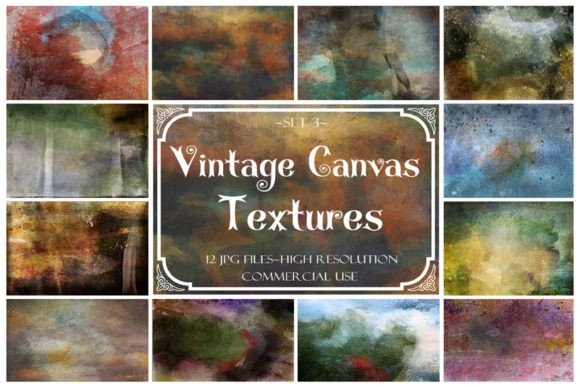
Vintage Canvas Textures, Digital Paper: Enhancing Creativity with Organic Aesthetics
Vintage canvas textures and digital paper have become essential tools for artists, designers, and creators who want to infuse their work with a sense of history, character, and authenticity. These textures are more than just decorative elements—they serve as functional design assets that can transform modern digital projects into visually rich, nostalgic experiences. Whether you're working on photography, digital scrapbooking, graphic design, or creative art, the right vintage texture can elevate your work in subtle yet powerful ways.
Understanding Vintage Canvas Textures and Digital Paper
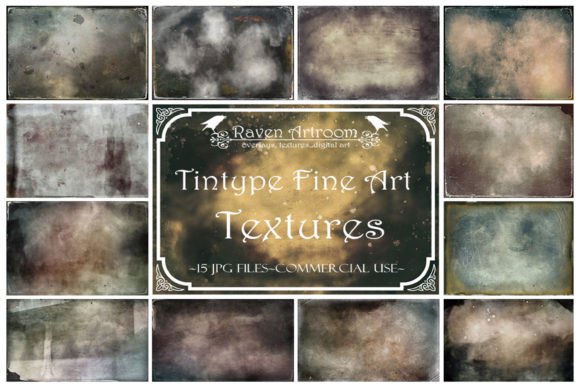
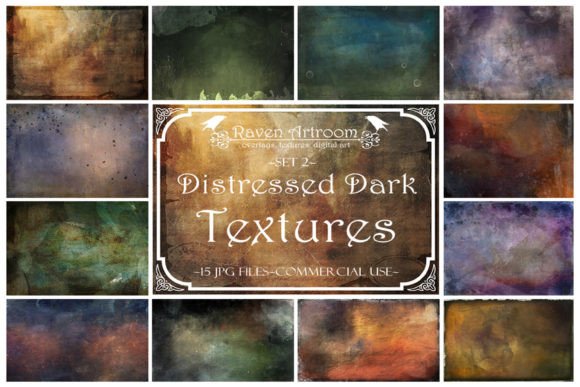
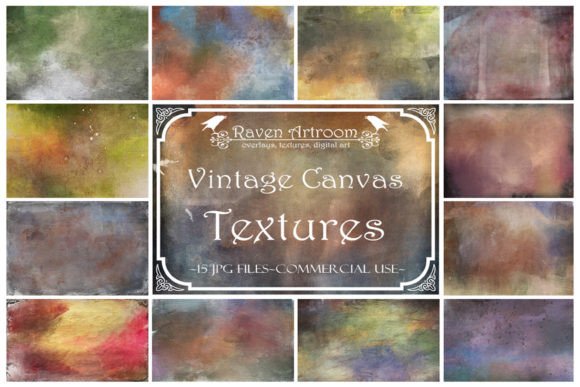
Vintage canvas textures are digital scans or high-resolution images of aged canvases, often featuring natural imperfections such as cracks, brush strokes, and faded pigments. These textures come in various formats and resolutions, making them versatile for different applications. Digital paper refers to a broader category of textured backgrounds that can mimic the look of handmade or aged paper, adding depth and visual interest to any project.
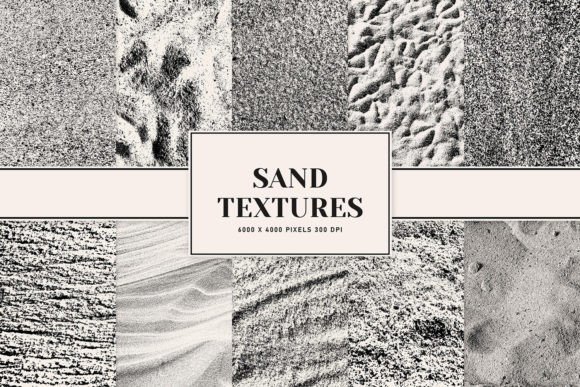
These assets are typically available in JPEG format and offer high resolution (around 300dpi) with dimensions ranging from 4000×6000 pixels. Their file sizes usually fall between 10–14 MB, ensuring they are manageable without compromising quality. This makes them ideal for both print and digital use, whether you're creating a poster, designing a website, or preparing a digital planner.
Where Vintage Canvas Textures Fit Into Your Workflow
Vintage canvas textures can be integrated at multiple stages of a creative process. Before starting a new project, consider how these textures might enhance the overall aesthetic. For example, if you're designing an invitation or a flyer, applying a vintage texture as a background can instantly give it a classic, handcrafted feel.
During the design phase, using a blend mode like Multiply or Overlay can help the texture interact with your image in a way that enhances shadows, adds contrast, and creates a moody, distressed look. This technique is especially useful in photography, where a vintage texture can add depth and atmosphere to otherwise flat images.
After completing a project, you may find that applying a texture helps unify disparate elements or brings cohesion to a collage or mixed media piece. In digital scrapbooking, for instance, a vintage canvas texture can serve as a base layer, allowing other elements to stand out while maintaining a cohesive theme.
Practical Use Cases and Integration Tips
The versatility of vintage canvas textures means they can be used across a wide range of creative fields. Here are some common use cases:
- Photography: Add a weathered or aged look to photos by using a texture overlay. This is particularly effective for portraits, landscapes, or retro-style compositions.
- Digital Scrapbooking: Use these textures as backgrounds for pages, helping to create a cohesive, thematic layout.
- Graphic Design: Incorporate vintage textures into logos, posters, and branding materials to evoke a timeless feel.
- Website Design: Apply these textures as background elements to create a unique visual identity that stands out from generic templates.
- Art Journals and Sketchbooks: Print the textures and use them as a base for mixed media artwork, allowing you to layer paint, ink, or other materials on top.
To integrate these textures effectively, it's important to consider compatibility with your design software. While they are not Photoshop actions, they can be easily layered onto images using programs like Adobe Photoshop, Procreate, or even free tools like GIMP. Make sure your software supports layer blending modes so you can experiment with different effects.
For best results, start with a low opacity setting when applying a texture. This allows the underlying image to remain visible while still adding a subtle vintage feel. You can always increase the opacity or adjust the blend mode later based on the desired outcome.
Workflow Examples and Implementation Strategies
Let’s walk through a simple workflow for using vintage canvas textures in a digital scrapbooking project:
- Prepare Your Base Image: Start with a clean, high-resolution photo or digital element that you want to incorporate into your page.
- Import the Texture: Open your design software and import one of the vintage canvas textures. Ensure it's set to the correct resolution and size.
- Adjust Blend Mode: Experiment with different blend modes (such as Multiply, Overlay, or Soft Light) to see how the texture interacts with your image. Choose the one that gives the most natural, vintage look.
- Tweak Opacity: Lower the opacity of the texture to ensure it doesn’t overpower your base image. Aim for around 20–40% opacity for a subtle effect.
- Add Details: Once the texture is applied, add additional elements like journaling, stickers, or embellishments to complete your layout.
This approach ensures that the texture complements rather than competes with the main content of your project. It also allows for flexibility—should you decide to change the texture or adjust the effect later, it’s easy to modify without having to start over.
Quality Considerations and Long-Term Use
When selecting vintage canvas textures, pay attention to the resolution and file size. High-resolution textures (300dpi or higher) are crucial for print projects, as lower resolution can result in pixelation or blurry details. File sizes between 10–14 MB are generally ideal, as they balance quality with usability.
Organizing your texture library is another important consideration. Create folders based on categories such as "Distressed," "Aged Paper," or "Canvas Textures" to make it easier to find the right asset for each project. Naming conventions can also help—include keywords like "vintage," "textured," or "distressed" in your filenames to streamline the search process.
For long-term use, consider investing in a reliable storage solution, such as cloud-based services or external hard drives. This ensures that your textures remain accessible and secure, even as your collection grows over time.
Finally, don’t be afraid to experiment with different combinations of textures and blend modes. The beauty of vintage canvas textures lies in their ability to adapt to various styles and themes, making them a valuable addition to any designer’s toolkit.