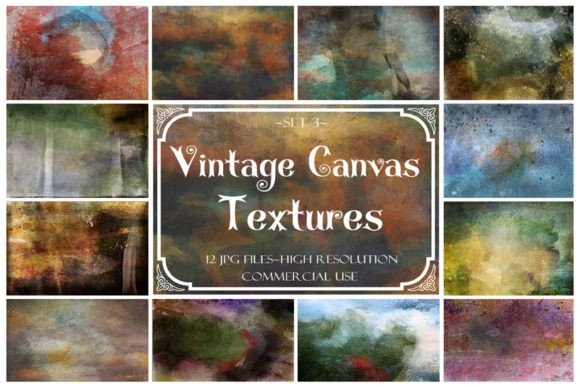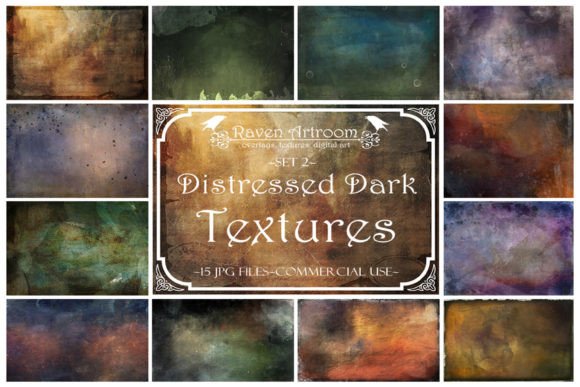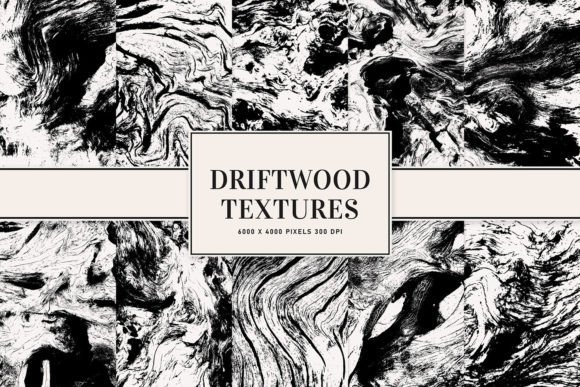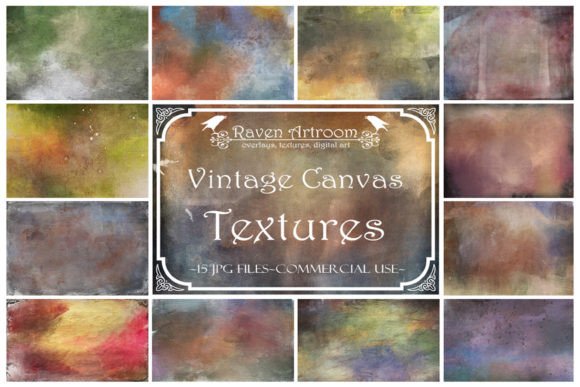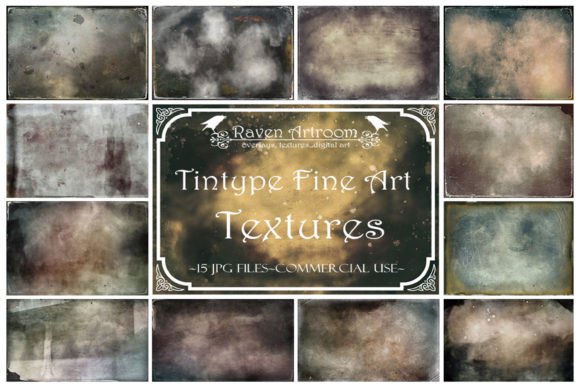
Tintype Fine Art Textures: Enhancing Creativity with Vintage Elegance
Tintype fine art textures have become a popular choice among artists, photographers, and digital creators looking to add a vintage feel to their work. These textures are not only visually appealing but also serve as powerful tools for enhancing the mood and depth of any project. Whether you're working on a photography collage, digital scrapbooking layout, or even designing a website, tintype textures can bring that organic, distressed look that's hard to achieve with standard editing tools.
What Are Tintype Fine Art Textures?
Tintype textures are digital overlays inspired by the historical tintype photographic process. This method was widely used in the 19th century and is known for its unique grainy, textured appearance. Modern digital versions of these textures capture the essence of this classic technique, allowing users to apply them easily to various projects using software like Photoshop, Procreate, or even digital scrapbooking platforms.
These textures are typically available in high-resolution formats (around 300dpi) and come in sizes ranging from 4000×6000 pixels. Each texture file is between 10-14 MB and is provided in JPEG format, making them easy to use and share within your creative workflow.
Why Use Tintype Textures?
- Vintage Aesthetic: They add a timeless charm to modern designs, giving your work an authentic historical feel.
- Enhanced Depth: The subtle grain and texture can add dimension to flat images, making them more engaging.
- Flexibility: These textures can be layered over photos, backgrounds, or artwork to create a variety of effects.
- Creative Freedom: Artists can experiment with different blend modes to achieve unique visual outcomes.
15 Tintype Fine Art Textures for Creative Projects
There are numerous tintype textures available, each offering a slightly different look and feel. Here are 15 notable ones that can elevate your creative projects:
- Rusty Metal Texture: Perfect for adding a weathered, industrial feel to your artwork.
- Oiled Canvas: Ideal for painting or mixed media projects that require a tactile surface.
- Old Newspaper: Great for creating a retro newspaper-style background.
- Faded Photograph: Mimics the look of old, yellowed photos for a nostalgic effect.
- Wood Grain: Adds a natural, earthy texture that complements many design styles.
- Parchment Paper: Offers a classic, aged paper texture suitable for invitations and documents.
- Stone Texture: Useful for creating a rustic or antique feel in your designs.
- Leather Texture: Adds a rich, luxurious touch to book covers or product designs.
- Grainy Film: Simulates the look of old film negatives, great for vintage photography.
- Scratched Glass: Creates a distorted, fragmented look that can be used creatively.
- Watercolor Paper: Offers a soft, absorbent texture ideal for watercolor or ink-based art.
- Cracked Paint: Mimics the appearance of aged paint, useful for mural or wall art.
- Dusty Fabric: Adds a worn, fabric-like texture that works well in fashion or textile designs.
- Worn Leather: Similar to leather but with a more aged and broken-in appearance.
- Old Book Pages: Perfect for adding a literary or academic vibe to your layouts.
How to Use Tintype Textures in Your Work
Using tintype textures is straightforward, especially if you're familiar with graphic design software like Photoshop. Here's a simple guide on how to incorporate them into your projects:
- Import the Texture: Open your image in Photoshop and import the desired texture as a new layer.
- Adjust Opacity: Lower the opacity of the texture layer to ensure it doesn't overpower your original image.
- Change Blend Mode: Experiment with different blend modes such as "Multiply," "Overlay," or "Soft Light" to achieve the desired effect.
- Mask the Texture: Use a layer mask to apply the texture selectively, focusing on specific areas of your image.
- Refine Details: Add subtle adjustments like contrast or brightness to enhance the overall look.
Applications of Tintype Textures in Various Fields
The versatility of tintype textures makes them applicable across a wide range of creative fields. Let's explore some of the most common applications:
Photography
Photographers often use tintype textures to give their images a vintage or distressed look. By applying these textures as overlays, they can transform modern photographs into something that feels more like an old family portrait or a historical document.
Digital Scrapbooking
In digital scrapbooking, tintype textures can be used as backgrounds or elements within layouts. They help create a cohesive theme and add visual interest to otherwise flat designs.
Art Journals
Artists who keep journals can use tintype textures to enhance their pages, making them more dynamic and visually engaging. These textures can be combined with hand-drawn elements, collages, or mixed media to create a unique aesthetic.
Websites and Blogs
Web designers can incorporate tintype textures into their site's background or headers to give it a more artistic and vintage feel. This approach can be particularly effective for niche blogs or personal portfolios.
Business Cards and Invitations
For special events or business cards, tintype textures can add a personalized and elegant touch. They make the design stand out while maintaining a sense of authenticity and history.
Common Misconceptions About Tintype Textures
While tintype textures are widely used, there are a few misconceptions that might prevent people from trying them out. Here are a few things to keep in mind:
- They Are Only for Vintage Projects: While they do add a vintage feel, these textures can be used creatively in modern contexts too. Experiment with different blend modes and layers to find new ways to use them.
- They Require Advanced Skills: You don’t need to be an expert in Photoshop to use these textures. Many beginners can achieve great results with just basic knowledge of layer blending and masking.
- They Always Look the Same: Each texture has its own unique characteristics. Try different ones to see which ones work best for your particular project.
Final Thoughts
Tintype fine art textures offer a fantastic way to add depth, character, and a vintage feel to your creative projects. Whether you're a professional designer or a hobbyist artist, these textures can help you achieve stunning results that stand out from the crowd. With the right tools and techniques, you can transform your work into something truly unique and memorable.
Remember to always respect the licensing terms when using these textures. While they can be used for personal or commercial projects, they cannot be freely shared or sold as is. Enjoy experimenting with these textures and let your creativity shine through!