Solid Surface Textures for Creative Projects
When it comes to digital design, the right texture can transform a simple image into something truly remarkable. Solid Surface Textures offer a unique blend of artistry and functionality that can elevate your creative work across various platforms. These high-resolution textures are crafted with precision, making them ideal for anyone looking to add depth and character to their designs.
What Are Solid Surface Textures?
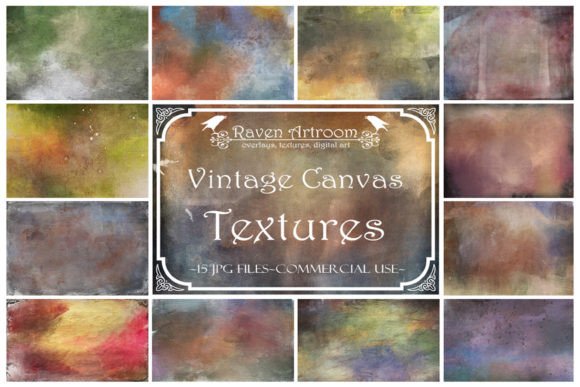
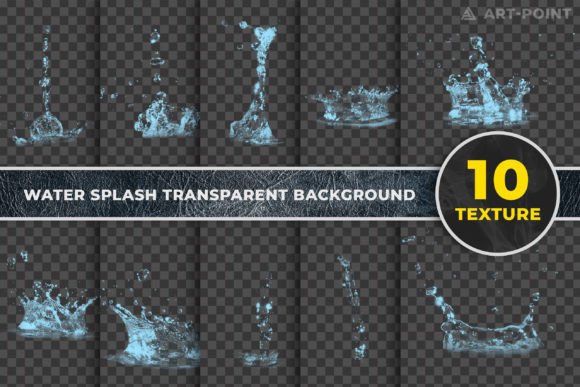
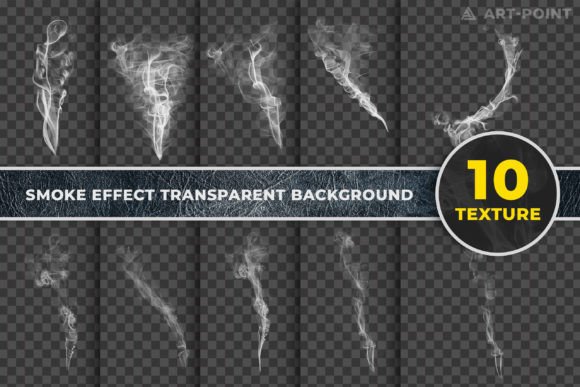
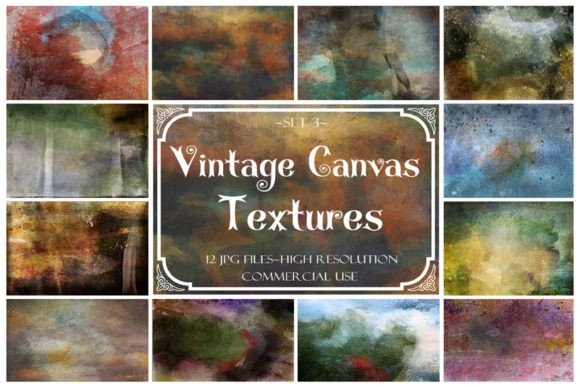
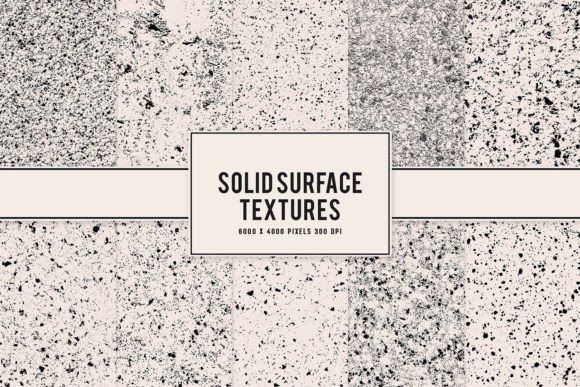
Solid Surface Textures refer to digital files that mimic the appearance of real-world surfaces such as wood, stone, metal, or fabric. They are created using advanced imaging techniques to ensure they look authentic when applied to different backgrounds or elements within a design. These textures come in JPG and PNG formats, with dimensions of 6000 x 4000 pixels and a resolution of 300 DPI, ensuring clarity even at large sizes.
The versatility of these textures makes them compatible with Adobe Photoshop CC and higher, giving users the freedom to manipulate and integrate them seamlessly into their projects. Whether you're designing a business card, creating a website background, or working on a social media post, Solid Surface Textures provide the perfect foundation for your creativity.
Why Different Audiences Care About Solid Surface Textures
The appeal of Solid Surface Textures varies depending on the individual's needs and goals. For instance, a beginner might appreciate how easy it is to apply these textures to enhance their designs without needing advanced skills. On the other hand, a professional designer may value the high quality and resolution that allows for detailed work on large-scale projects.
- Beginners: May find Solid Surface Textures to be an excellent starting point for learning about texture application and layering in design software.
- Professionals: Can use these textures to streamline their workflow and maintain consistency across multiple projects.
- Entrepreneurs: Might rely on these textures to create cohesive branding materials that reflect their brand identity effectively.
- Marketers: Could benefit from using Solid Surface Textures in promotional materials to grab attention and convey a sense of professionalism.
- Educators: Might incorporate these textures into teaching materials to help students understand the importance of visual elements in design.
Practical Uses Across Different Fields
The applications of Solid Surface Textures span across numerous fields, each benefiting from the unique qualities of these digital assets. Let's explore some practical examples:
For Designers and Artists
Designers often seek textures that can add dimension and interest to flat designs. Solid Surface Textures allow artists to experiment with different surface effects without the need for physical materials. This can be particularly useful when working on digital illustrations or graphic design projects where realism is key.
For Business Owners
Business owners can use Solid Surface Textures to create visually appealing marketing materials. From packaging to advertisements, these textures can help convey a brand’s personality and values. A boutique owner, for example, might use a wooden texture to give their product packaging a rustic feel that aligns with their brand aesthetic.
For Educators and Students
Education professionals can utilize Solid Surface Textures in classroom presentations or lesson plans to make learning more engaging. Students can practice applying textures to their own projects, helping them develop essential design skills while having fun with creative exploration.
For Hobbyists and Crafters
Hobbyists who enjoy crafting or DIY projects can benefit from using Solid Surface Textures in digital scrapbooking or paper crafts. These textures can bring a tactile feel to digital creations, allowing hobbyists to express themselves creatively without the limitations of traditional materials.
Choosing the Right Texture for Your Project
Selecting the appropriate texture depends on several factors, including the project's purpose, the desired outcome, and the tools available. When choosing Solid Surface Textures, consider the following priorities:
- Quality: High-resolution textures ensure that your final product looks sharp and professional.
- Compatibility: Ensure the texture format is compatible with your design software.
- Creativity: Choose textures that complement your project's theme and style.
- Cost: While some premium textures may be more expensive, free options are also available for those on a budget.
By evaluating these aspects, you can determine whether Solid Surface Textures align with your specific needs and goals. Whether you're a novice or an expert, there's always room to grow and explore new creative possibilities with the right tools at your disposal.